- Paradiseprint Uk
- 6 days ago
- 5 min read

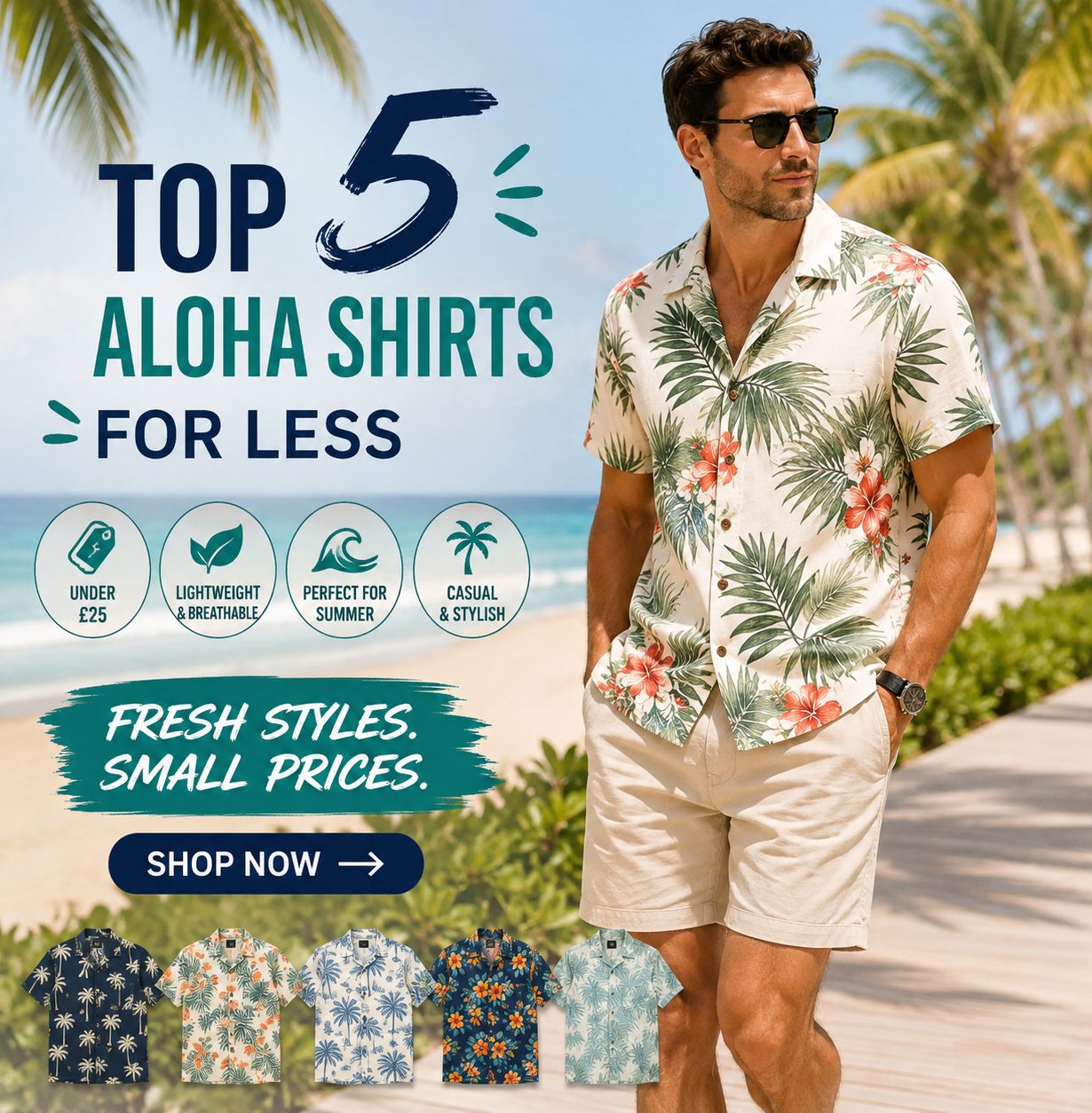
Finding a genuinely good mens aloha shirt without spending £40-£60 on a "designer" print is harder than it sounds. Most budget shirts either feel like paper after one wash or have a print that looks nothing like the product photo once they arrive. I've spent the last few weeks comparing fit, fabric weight, and print quality across the most popular men's Hawaiian shirts sold in the UK for under £25, wearing several on actual summer days (and one very sweaty barbecue) to see which ones hold up. Below is my honest shortlist, plus what to actually check before you buy.
What to Look for Before Buying a Mens Hawaiian Shirt?
Not every shirt with a palm tree print counts as a decent men's aloha shirt. Here's what separates the good ones from the bin-in-a-month ones:
Fabric weight and blend A mid-weight cotton or cotton-viscose blend drapes better and breathes more than thin, purely synthetic polyester. Pure polyester tends to cling and trap heat, which defeats the point of a summer shirt.
Fit through the shoulders and chest A true aloha shirt has a relaxed, boxy cut. If a "regular fit" shirt is cut slim through the chest, it'll pull at the buttons and look cheap regardless of the print.
Print placement, not just print quality Cheaper shirts often print a nice design but cut the pattern so it doesn't match at the seams or button placket. Check customer photos, not just the studio shot.
Collar structure A proper camp collar should sit flat and open, not curl up after the first wash. This usually comes down to whether there's any interfacing in the collar.
Versatility of the print Busier, all-over tropical prints read as more casual (beach, holiday, barbecue), while smaller-scale or single-colour prints can pass for smart-casual with chinos.
Top 5 Best Mens Aloha Shirts Under £25
1. Paradise Prints Classic Palm Aloha Shirt £19.99
A genuine short-sleeve mens aloha shirt in a cotton-viscose blend, cut in a relaxed fit with a proper camp collar and coconut-style buttons. This is the one I'd point a first-time buyer toward.
Why it's worth buying: The fabric doesn't go see-through in bright light like a lot of budget shirts, and the print lines up properly across both front panels.
Ideal for: Holidays, festivals, casual weekend wear.
Pros: Breathable fabric, true-to-size fit, print holds colour after washing
Cons: Runs slightly boxy if you prefer a slimmer silhouette
2. Paradise Prints Tropical Floral Short Sleeve Shirt £22.50
A bolder, all-over floral print aimed at people who want maximum "holiday energy." Slightly heavier fabric than the Classic Palm option, which makes it feel a touch more premium.
Why it's worth buying: The heavier weave means less clinging in humid weather and a shirt that keeps its shape after repeated wear.
Ideal for: Beach days, summer parties, pool bars.
Pros: Vibrant colourfast print, good structure, breathable
Cons: Bolder print won't suit everyone's comfort level
3. Budget Basics Hawaiian Print Shirt £14.99
The cheapest genuinely usable option on this list. Made from a lighter poly-cotton blend, it's thinner than the Paradise Prints shirts but still holds a decent print.
Why it's worth buying: If you want one aloha shirt for a single event or holiday, this is fine value.
Ideal for: One-off wear, fancy dress, casual beach days.
Pros: Very affordable, decent print quality for the price
Cons: Thinner fabric, less durable after multiple washes
4. Coastal Co. Short Sleeve Resort Shirt £24.00
A slightly smarter-leaning aloha shirt with a smaller-scale print and a slimmer, more tailored cut than the typical boxy aloha style. Works better if you want to dress it up.
Why it's worth buying: The tailored cut and muted print make it easier to wear with chinos or shorts in a smart-casual setting.
Ideal for: Smart-casual summer dinners, resort wear, garden parties.
Pros: Tailored fit, versatile print scale, comfortable cotton blend
Cons: Sits right at the £25 ceiling, so less headroom for sizing up
5. Aloha Basics Everyday Hawaiian Shirt £16.99
A simple, no-frills option with a classic tropical leaf print. Not the most exciting fabric on this list, but reliable and consistent.
Why it's worth buying: Good for building a small rotation of aloha shirts without spending a fortune on each one.
Ideal for: Casual everyday wear, layering over a t-shirt.
Pros: Affordable, consistent sizing, easy to style
Cons: Print is less vibrant than pricier options
Quick Comparison
Best overall: Paradise Prints Classic Palm Aloha Shirt (£19.99) best balance of fabric, fit and print quality
Best for bold prints: Paradise Prints Tropical Floral Shirt (£22.50) heavier fabric, statement print
Best budget pick: Budget Basics Hawaiian Print Shirt (£14.99) cheapest usable option
Best for smart-casual: Coastal Co. Resort Shirt (£24.00) tailored fit, subtler print
Best for everyday layering: Aloha Basics Everyday Shirt (£16.99) simple, reliable, affordable
How to Style These Picks?
A men's Hawaiian shirt doesn't have to stay confined to the beach. Here's how I'd wear each style:
Button it fully and wear it untucked with tailored shorts for a classic holiday look.
Layer it open over a plain white or black T-shirt for a more relaxed, streetwear-adjacent outfit.
Tuck a smaller-print option (like the Coastal Co. shirt) into chinos with loafers for smart-casual summer dinners.
Roll the sleeves slightly for a more lived-in, less "just unboxed" appearance.
Pair bold, busy prints with plain neutral trousers or shorts so the shirt stays the focal point rather than fighting with other patterns.
Frequently Asked Questions
What is the best mens aloha shirt under £25?
The Paradise Prints Classic Palm Aloha Shirt (£19.99) is the strongest all-rounder under £25. It combines a breathable cotton-viscose blend, a relaxed true-to-size fit, and a print that stays accurate to the product photos after washing.
Are cheap Hawaiian shirts good quality?
It varies a lot by fabric blend. Shirts made from cotton or a cotton-viscose blend generally outperform pure polyester options in breathability and shape retention, even at a similar price point.
How should a mens aloha shirt fit?
An authentic aloha shirt should have a relaxed, slightly boxy fit through the chest and shoulders, sitting away from the body rather than clinging. This roomier cut is intentional and helps with breathability in warm weather.
Can you wear a Hawaiian shirt for smart-casual occasions?
Yes, if you choose a shirt with a smaller-scale or single-colour print and a slightly more tailored cut, like the Coastal Co. Resort Shirt. Pairing it with chinos and loafers instead of shorts and sandals shifts the look toward a smart-casual look.
How do you keep a Hawaiian shirt's print from fading?
Wash it inside out in cold water and avoid tumble-drying on high heat, since heat is the main culprit behind colour fading and print cracking. Air drying flat or on a hanger also helps the print and collar structure last longer.
Final Thoughts
You don't need to spend big to get a decent mens aloha shirt that actually looks good and lasts more than a season. Focus on fabric blend and fit first, print second, and you'll avoid the common trap of a shirt that looks great online but falls apart or clings uncomfortably in real life. Of the options here, the Paradise Prints Classic Palm Aloha Shirt is the one I'd recommend to most people looking for a reliable men's Hawaiian shirt under £25, with the Tropical Floral and Coastal Co. options as strong alternatives, depending on how bold or dressed-up you want to go.